Soil Research

Healthy soil is the foundation of healthy plants.
The simplest and most effective way to enhance soil quality is by nourishing it
with stable, coherent water.
Our research shows that plants regularly watered with
Aǹalemma water exhibit greater bacterial diversity
and higher nitrogen content — both essential indicators of soil fertility.
Explore our findings below to see how coherence in water can restore balance
and vitality to the earth itself.

Soil Bacteria – The Plant’s External Gut
Plants are best known for their ability to produce food — sugars — from sunlight, water, and CO₂. These sugars fuel the growth of new leaves, flowers, and fruits. But beneath the surface, another remarkable process is taking place.
As plants extend their roots deep into the soil, they release up to 40% of their sugars into the thin layer surrounding their roots. While this may seem wasteful, it’s actually a brilliant strategy — these sugars feed soil bacteria, which in return provide plants with bioavailable forms of essential minerals like iron, phosphorus, and nitrogen.
Plants cannot extract these nutrients directly from the soil. Instead, they form a symbiotic relationship with soil bacteria. In many ways, these microbes act as the plant’s external gut — playing a role in plant vitality that mirrors how our gut microbiome supports human health.

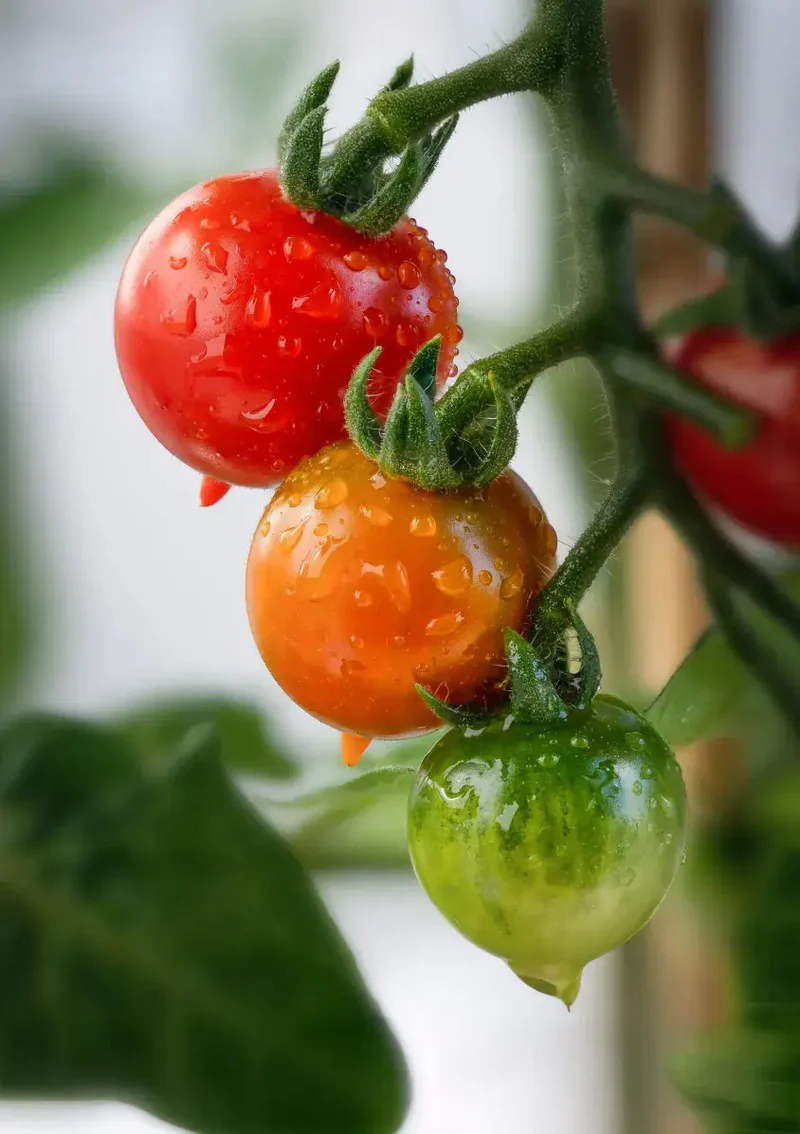
In 2021, we analyzed the bacterial diversity of cherry tomato plants watered for 4 months with Aǹalemma water. The analysis was performed using DNA sequencing, a state-of-the-art method for detecting different microorganisms within soil samples.
The method is simple – after extracting all DNA from the soil sample, the total DNA is scanned for the presence of a marker gene commonly called 16S. By counting the number of copies of the 16S gene in a soil sample, we could essentially determine the number of different bacterial species present in that sample – a parameter described as bacterial diversity.
The study showed that bacterial diversity was significantly higher in the soil of plants watered with Aǹalemma water. This result was remarkable, especially owing to the fact that the soil used in the study was previously extensively treated with glyphosate, known to have detrimental effects on soil bacteria.
Additionally, we analyzed the chemical composition of those same soil samples. Three parameters related to the nitrogen cycle were significantly altered, showing that the total level of nitrogen in the soil increased, and that more of it has become available to plants.
This result can be linked back to soil microbes. While soil naturally contains organic nitrogen, this nitrogen usually exists in inert forms that can’t be readily used by the plants. This is where bacteria come in. In a process known as mineralization, soil bacteria convert inert nitrogen into nitrates and ammonia that the plant can succesfully break down and use to synthesize its own proteins.
Watering plants with Aǹalemma water resulted in increased bacterial diversity, and these bacterial communities seemed to have produced more available nitrogen, affecting all aspects of plant growth, health and vitality.

with
The Garden Aǹalemma unit is a simple, elegant tool that will transform your irrigation practice and take your plant care to the next level.
Whether you’re a budding gardener or a professional farmer, the Garden Aǹalemma is the perfect addition to your plant care toolkit.
Simply attach the Garden Aǹalemma to the end of your garden pipe and start treating your orchard, backyard, vegetable patch or farm, reaping all the benefits of stable coherent water.